
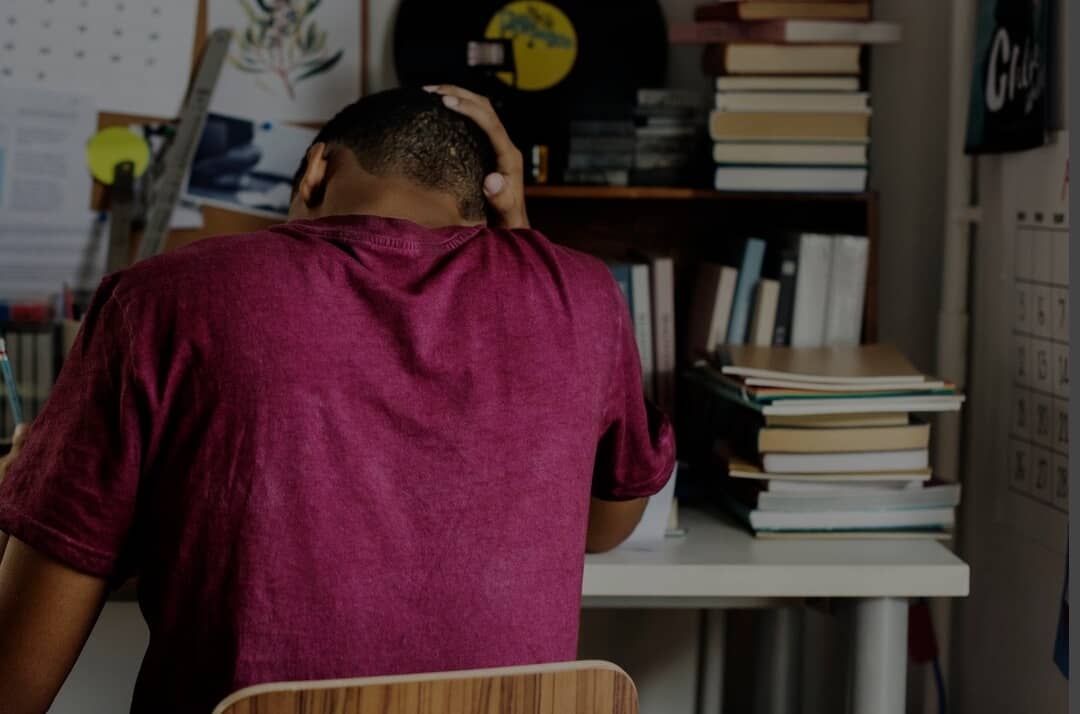
Study shows pornography use affects academic performance: A recent study has shown that pornography use can affect how students perform academically, especially when the habit becomes frequent. Many college students who engage in pornography tend to struggle more with focus, consistency, and overall academic discipline compared to those who do not.
How pornography use affects students’ grades
The study explained that students who consume pornography often record lower grade point averages and weaker academic success scores. Daily users were observed to experience the most decline. According to the researchers, frequent exposure appears to interfere with concentration and study routines, making it harder for students to keep up with coursework.
Findings from the research revealed that pornography users had about a 41 percent lower grade point average when compared to non users. Daily exposure was also linked to higher levels of problematic consumption. This shows that how often a student engages in pornography plays a strong role in the level of academic impact.

Academic Success Inventory results
On average, pornography consumers scored 2.49 points lower on the Academic Success Inventory than students who do not consume it. The Academic Success Inventory measures factors such as motivation, organization, and commitment to academic tasks, which are necessary for long term academic success.
Groups most affected by pornography use
The study was published in the Journal of Graduate Education Research and confirmed a significant relationship between pornography use and academic outcomes among college students. The negative effects were more noticeable among males, students aged 18 to 25, non white students, and those who engaged in pornography frequently.
According to the researchers, males showed stronger negative academic outcomes. This may be due to differences in consumption patterns or higher susceptibility to its effects. Younger students were also more affected, possibly because self regulation skills are still developing at that age, making them more vulnerable to distraction and impulsive behavior.
Purpose of the study
The researchers aimed to examine differences in academic performance by comparing grade point averages and Academic Success Inventory scores between pornography consumers and non consumers. They also analyzed how the frequency of pornography use influenced these academic outcomes.
Participants and research method
A total of 739 students from a state university in the Midwestern region of the United States participated in the study. All participants owned mobile phones or laptops, had internet access, had completed at least one semester, and were enrolled during the research period.
The study was conducted electronically over three weeks. Most of the participants, about 68.7 percent, identified as White. Around 54.4 percent were male at birth, while 32.48 percent of the students had a grade point average between 3.7 and 4.0.
Why younger students are more vulnerable
The researchers suggested that younger students may be more vulnerable to pornography’s negative academic effects because of weaker self control and higher susceptibility to distraction. At this stage of life, students may be more likely to engage in impulsive behaviors, including frequent pornography use.
Addressing pornography use among students
The researchers emphasized the importance of addressing pornography use through student support services. Educational programs on healthy media habits, time management, and access to mental health resources can help reduce its impact and improve overall student well being.
Pornography consumption remains common among college students. However, problematic pornography use refers to excessive or compulsive behavior that continues even when it causes harm. This has been linked to lower life satisfaction, reduced motivation, anxiety, and depression, all of which can negatively affect academic performance.
How students can stop or avoid pornography use
Students who want to stop or avoid pornography use need to first understand what triggers the habit. Boredom, loneliness, stress, and excessive phone use are common factors. Reducing screen time, especially at night, can help limit exposure and temptation.
Replacing pornography with healthier activities such as studying, exercising, reading, or spending time with friends can gradually reduce the habit. Some students also benefit from using website blockers or limiting social media use to reduce access.
Seeking support is also important. Talking to a trusted friend, mentor, counselor, or religious leader can help with accountability. Building a structured daily routine and focusing on academic goals can make it easier to stay disciplined.
Change does not happen overnight, but consistent effort can lead to improvement. When students take control of their habits, they often notice better focus, improved grades, and stronger mental well being.
Also read:
- 10 Ways Students End Up Choosing the Wrong University Courses
- 10 Smart Ways to Save Money on Campus
- Sure 80/100 in your GSP 111 exam see most possible Questions & Answers [Download Here]
Follow us on our WhatsApp channel by CLICKING HERE and you can comment through the comments section if you have any questions or contributions.
Source: Campus Informant, Tribune
